
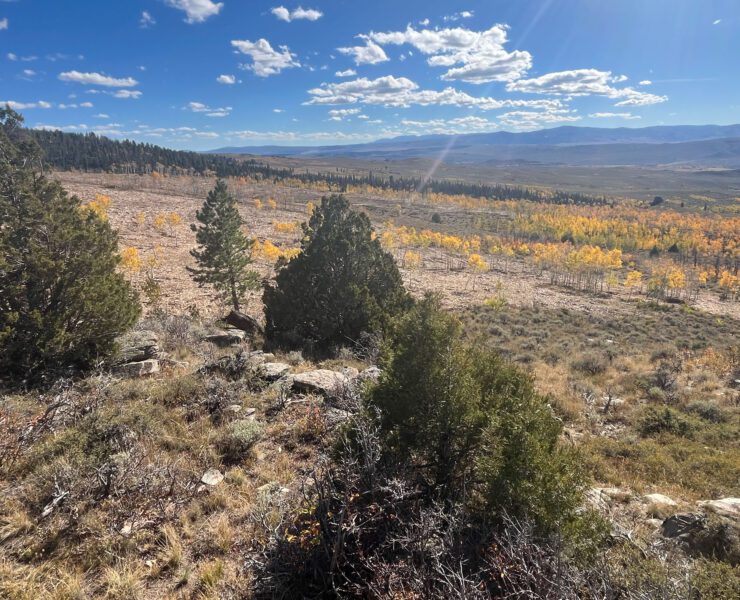
A Mule Deer Foundation project brings new growth to struggling aspen stands that serve as crucial transitional range for Wyoming’s Platte Valley mule deer herd.

One thing I’ve learned from Eastern cooking is that tofu comes in myriad forms, and each one of those forms plays its own special role. Silken tofu is like a velvety poached egg white, while extra-firm tofu has a texture closer to a brick of cheddar cheese. Smoked tofu can add a special meatiness to dishes, while sweetened custardy tofu can be eaten for a dessert like a pudding. Soft tofu can be cut with a spoon, while dried tofu skins come out more like noodles. Tofu isn’t simply just tofu.
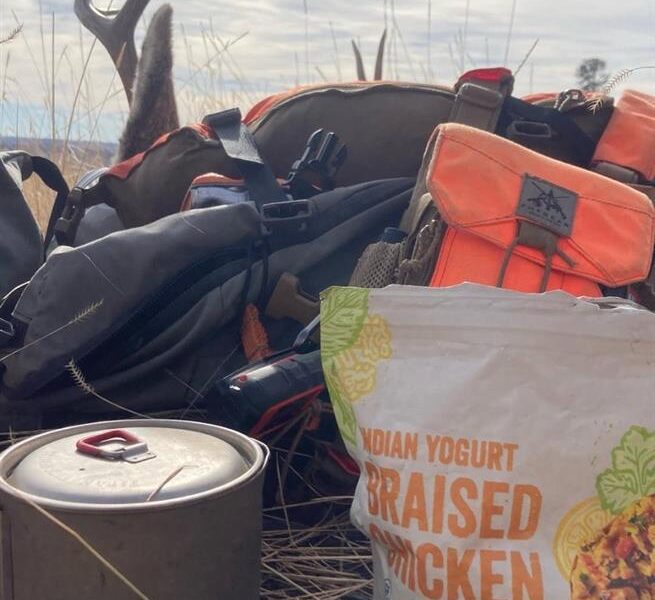
You’ve put in the miles, glassed countless ridges, and finally notched your tag on a backcountry mule deer. Now comes the real work: getting your deer out of the field and back to camp or the truck without wasting meat or injuring yourself. For many hunters, especially those in remote or rugged mule deer country, knowing how to properly quarter and pack out an animal is as critical a skill as shooting straight.
Here’s a step-by-step guide you can follow when the moment of truth arrives.
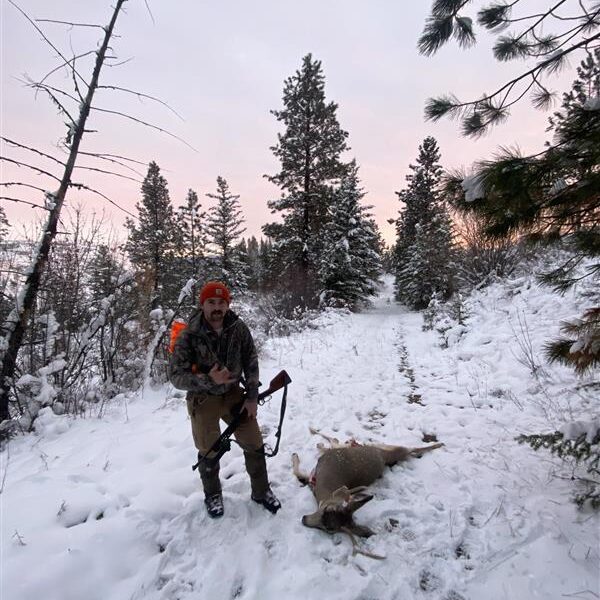
Hunting in the backcountry offers an unparalleled sense of adventure. There’s nothing like the challenge of reaching remote mule deer country under your own power, where success depends on preparation, skill, and self-reliance. But venturing into the backcountry also brings a level of complexity that you won’t encounter at a truck or base camp hunt. Packing the right gear and knowing how to use it can be the difference between a successful hunt and a frustrating, uncomfortable experience.
The Mule Deer Foundation has compiled a comprehensive guide to backcountry packing, combining essential gear, apparel, and trusted brands to help hunters prepare for their next tag pursuit.

By Jenny Williams I recently had the chance to sit down and interview MDF’s India…
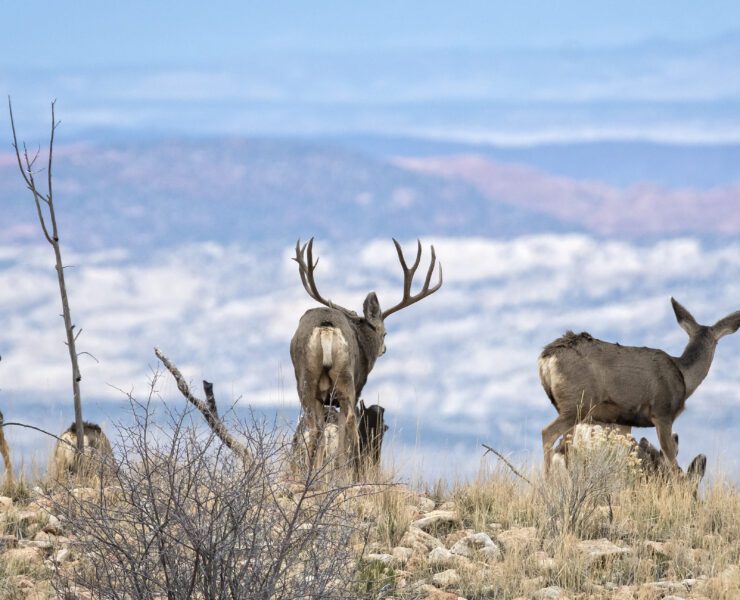
When hunting mule deer, understanding and interpreting the signs they leave behind is one of the most valuable skills you can develop. Tracks, beds, and rubs are clues that tell you not just where deer have been, but also their habits, travel patterns, and even what kind of deer you might encounter. Developing the ability to read sign effectively can turn an ordinary hunt into a successful one.

Wildfires are an inevitable part of the western landscape, shaping ecosystems and influencing wildlife behavior. For mule deer hunters, understanding how burn areas and regrowth stages affect deer movement and feeding patterns can make the difference between a successful hunt and a long, fruitless trek.
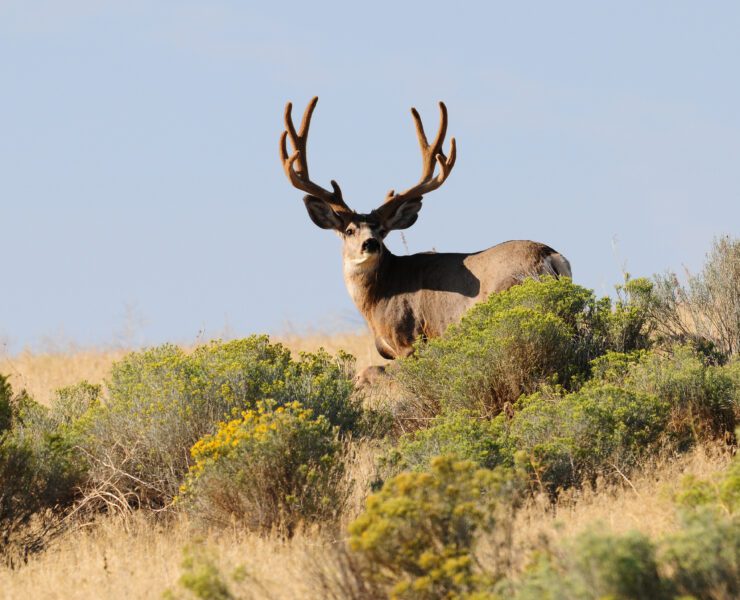
There’s something about standing on a ridgeline in the last light of day, glassing the folds of the country below, knowing that somewhere out there is a buck working his way down through age-old routes etched into the land by instinct and survival. The path he follows is most likely centuries old, passed down through the generations of mule deer. The route he is following is what is known as a migration corridor, and these corridors are more than just travel paths. They’re lifelines. And they’re disappearing at an alarming rate.

I am an avid outdoorsman and conservationist who grew up in the Black Hills of South Dakota. This region and our way of life instilled in me a deep appreciation and passion for wildlife and wild places. I consider myself fortunate to work, recreate, and raise a family along the boundary of the American West and the Great Plains. Whether I’m managing a habitat project, fighting fires with the local VFD, or pursuing big game, I’m driven by a desire to leave things better than I found them—ensuring that my daughter and future generations can enjoy the same opportunities and landscapes that I have.

Mark you calendars for February 14, 2026 for the TOUGH BUCK Hunt Giveaway Workout, where fitness meets backcountry grit at the Western Hunting & Conservation Expo in Salt Lake City.
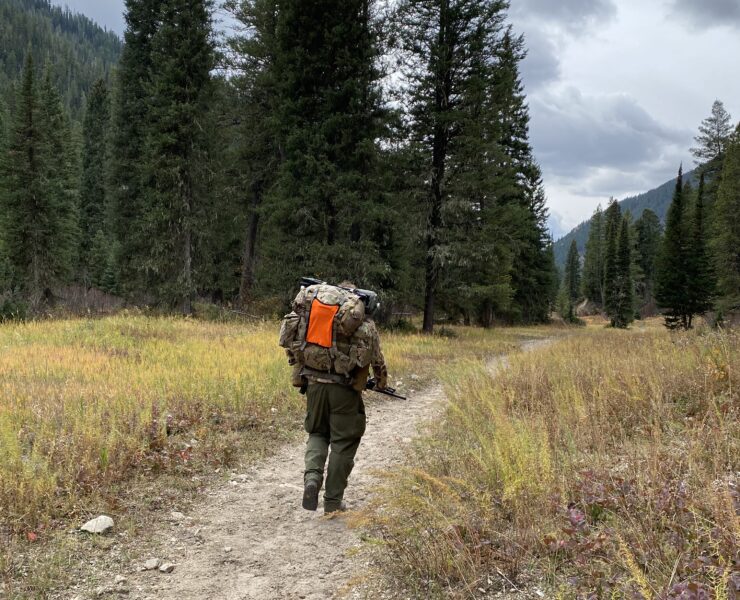
Hunting mule deer alone in the backcountry is one of the purest forms of wilderness experience. The silence of high alpine ridges, the thrill of spotting a buck in a hidden basin, and the challenge of navigating rugged terrain—all of it is magnified when you’re on your own. But solo hunting also demands a level of preparation and caution that can’t be overstated. Here are key lessons for staying safe, efficient, and ready for anything the mountain throws at you.
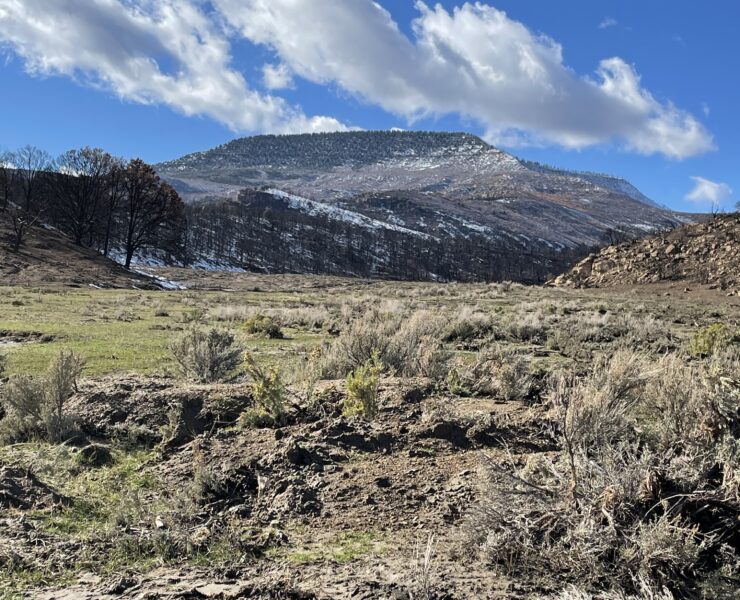
Few things in the West are as impressive as mule deer on the move. Each year, herds travel miles between summer and winter ranges, navigating rugged mountains, valleys, and human development along the way. These seasonal highways, known as migration corridors are critical to mule deer survival, and for hunters, they also present unique opportunities.