


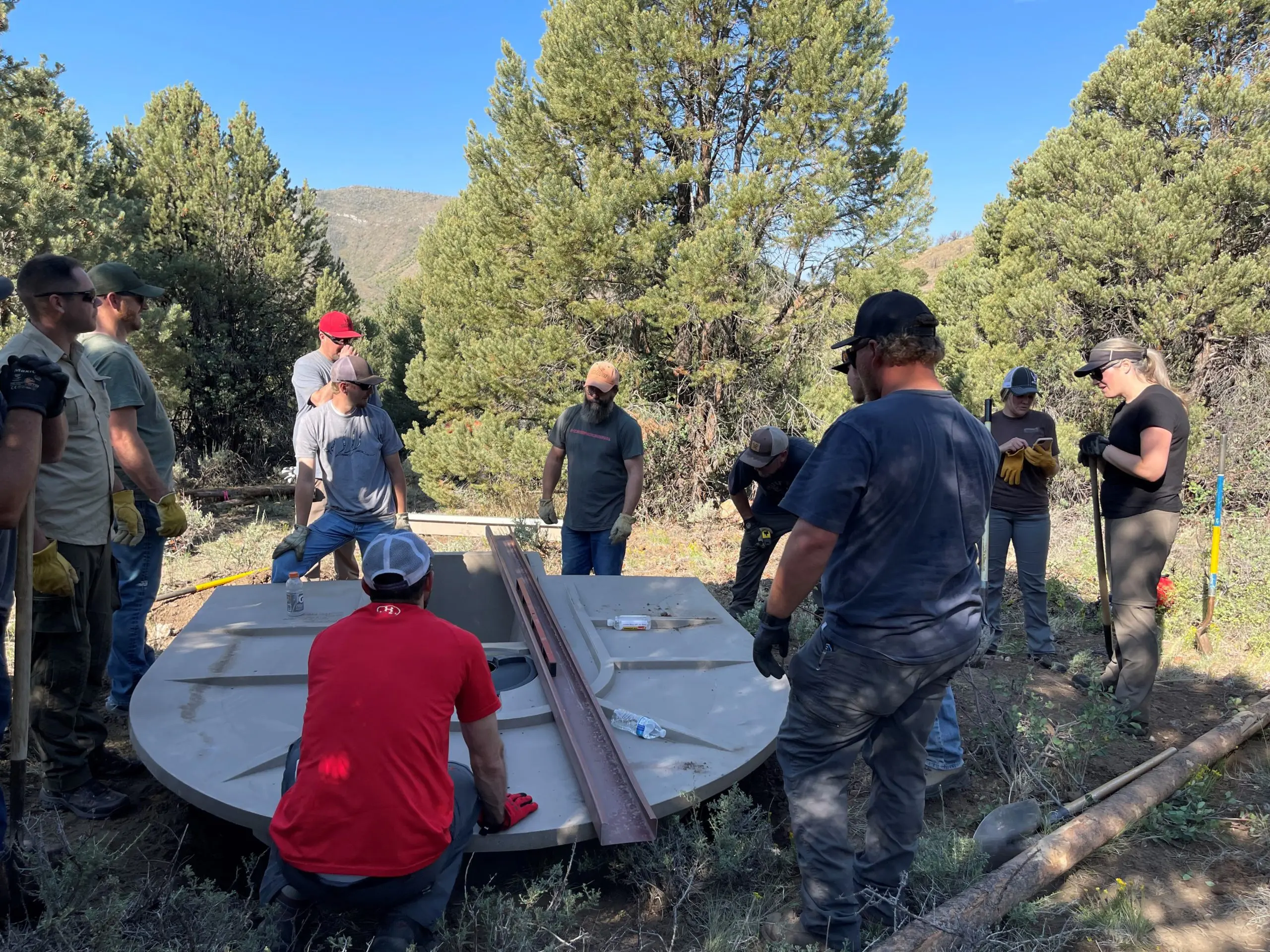
Empowering Chapters
Collaborative Proposal
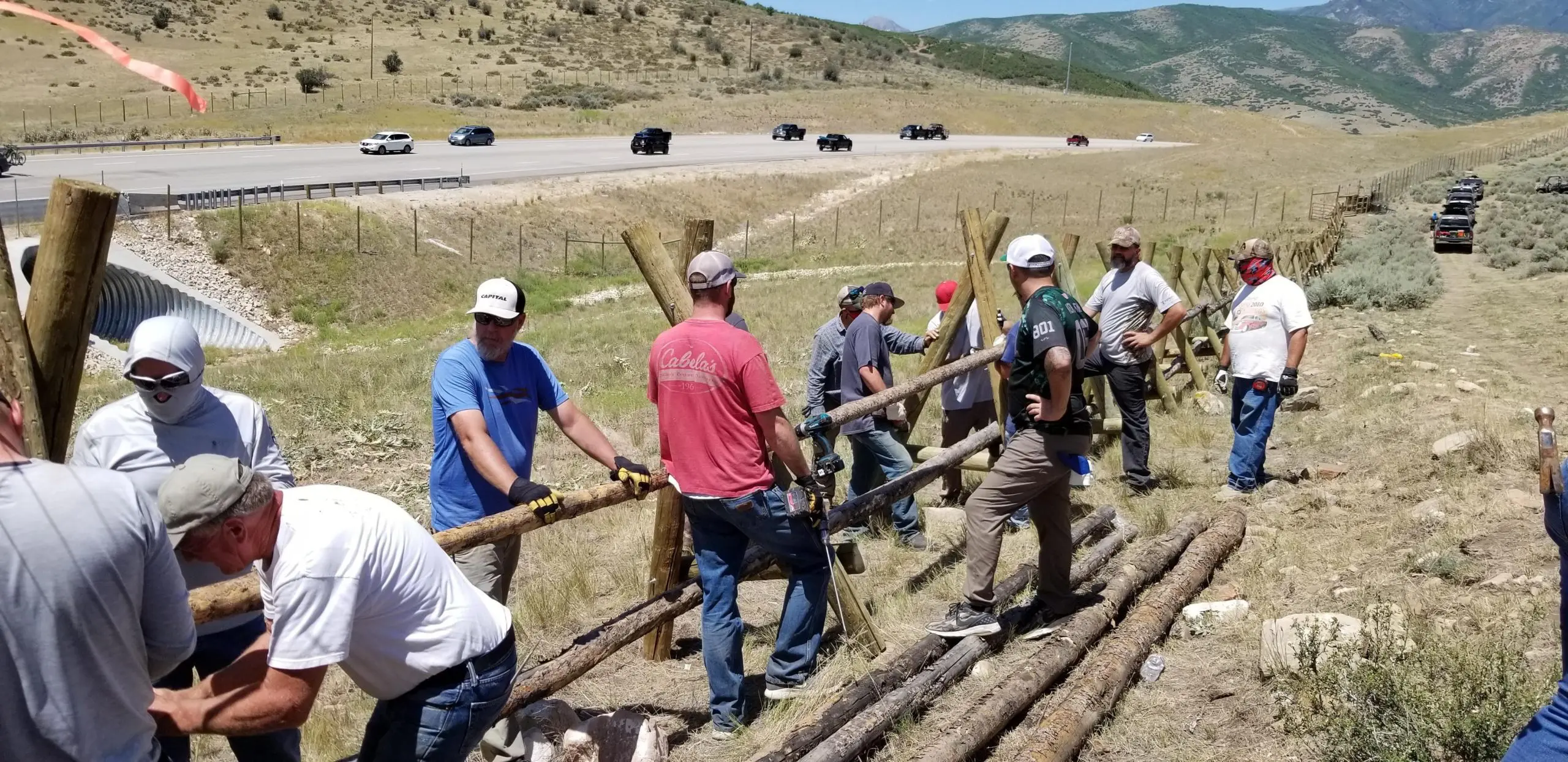

or click on any of the states to see more in-depth information on your area

A Game of Angles
One of the biggest misconceptions among new deer hunters is that shot placement is simply a matter of aiming behind the shoulder. While that advice isn’t wrong, it only applies when the deer is standing perfectly broadside. In the real world, mule deer rarely cooperate by posing exactly how we’d like them to.
Every shot angle changes the anatomy you’re working with. Bones shift, vital organs become partially obscured, and the path your bullet or arrow must travel changes dramatically. Before squeezing the trigger or releasing an arrow, it helps to stop thinking about where the projectile will enter and start thinking about where it needs to end up.

Ethical Hunting in 2026
As mule deer hunters, we spend a lot of time talking about rifles, optics, packs, and finding mature bucks. Those conversations are fun, but the future of hunting depends just as much on the decisions we make when nobody else is watching. In 2026, I believe there are three areas every ethical mule deer hunter should be thinking about before the season begins.

Celebrate Public Lands Month with the Mule Deer Foundation and Infinite Outdoors
This September, the Mule Deer Foundation and Infinite Outdoors celebrate Public Lands Month through Access. Adventure. Legacy., a campaign focused on expanding outdoor access, creating new opportunities for adventure, and investing in the future of America’s outdoor heritage.

Choosing the Right Off-Road Vehicle for Your Hunting Strategy
Success in mule deer country rarely comes down to a single piece of gear. More often, it’s the decisions you make before the hunt even begins, how you access terrain, move through habitat, and adapt to conditions, which shape the outcome of your time in the field.
ATVs and Side-by-Sides have become a common tool across the West because they make movement across vast landscapes more efficient. The key to deciding what is right for you is to understand that no single platform does everything equally well. Each one fits a unique style of hunting, terrain type, and level of access. The question is, which is best for you?