
The Dip-and-Suck machine


by: Jay and Bob
As seen in the Fall MDF Magazine available HERE
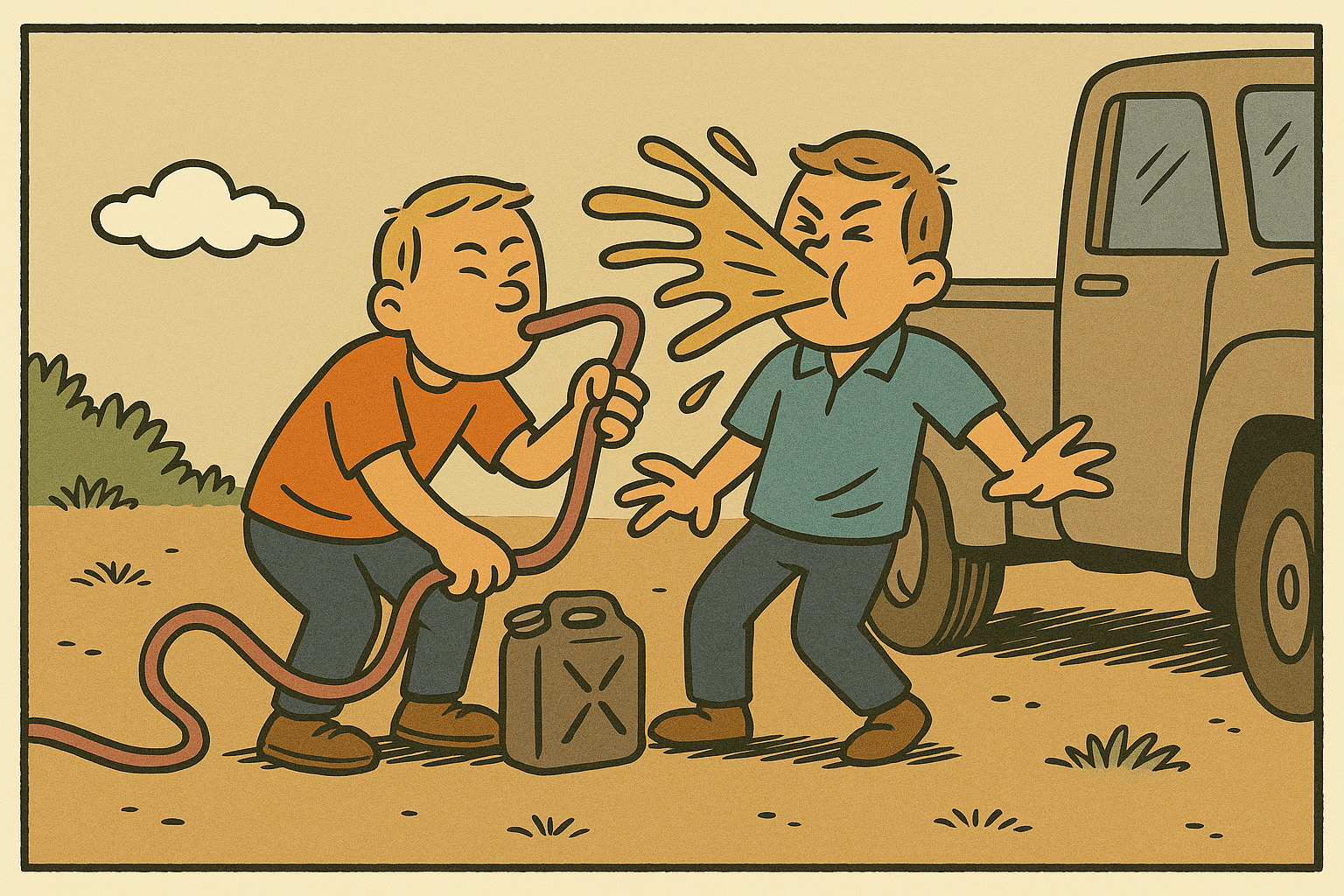
I’ll tell you about the “dip-and-suck machine”, so you can make one, too.
Here’s the parts list, and assembly instruction:
Obtain a 12-volt, high-volume pump, with hose connections. Bob got a Simer Blue Water 12-volt pump with 600 gallons per hour capacity. It has male hose connections on both the inlet and outlet sides of the pump.
Fashion a “suction” hose from larger diameter (3/4-inch works) water hose that is plenty stiff enough to not collapse when the pump begins sucking water. The length of this hose is not critical, but ideally, but placing where the hose goes into the water as close to level with the pump is good. You might even be able to put the filter and intake end of the intake hose above the level of the pump. If so, that is best. The pump really doesn’t like to pull upward very much. It does better at pushing outward than pulling inward. Remember that the longer the intake hose, the harder it is for the pump to pull the water.
Have an extra 12-volt car battery handy (with a carrying handle) which can be easily transported to the place where the pump will be located. Or, you can park your vehicle close enough for the leads to reach, if it is convenient.
On the far end of the “suction hose”, you will need a filter that will prevent stuff you don’t wish to pump, or drink, from entering the “suction hose.” You can get some PVC fittings that go from a large opening, and then stepping down in diameter until you have the proper hose fitting. Somewhere inside, or at the opening of, the large diameter opening, you will need to have that filter. There are a lot of materials that will do. I like sandwiching a square of tightly-stretched pantyhose between layers of plastic screen. This allows good flow and keeps all but the tiniest of items out of the water supply. If you can orient the intake for the filter facing somewhat upward, toward the surface of the water, and well above the sediment area at the bottom of the creek, that is best. Be sure to confirm that the filter is clean before each use. You can clean it out by backflushing water in the other direction.
Have enough water hose to reach from the pump’s location to the trailer. I don’t know how far the maximum reach of this system might be. I’m sure part of that depends on how far upslope from the pump the trailer is. Bob and I have strung-together 200 feet of hose on mostly evel ground and made it work just fine.
Ok, now that you have it all assembled, here’s how you set it all up:
Find a dry place on the edge of the creek where you can place the pump and the battery. Put the intake filter upstream of the pump, if possible, in a place with good flow, but deep enough below the surface to keep air from entering the intake hose at any time. You can build a small dam with large rocks below the intake end to make the water deeper, and to slow it down.
Don’t screw the end of the intake hose to the pump until you have established good flow from the intake hose. Ideally, you want the flow to match, or exceed the outflow of the pump. The pump will pull from a bit lower than its level, but that condition can lead to cavitation of the pump, which can burn-up the pump.
As the water is flowing out the suction hose, screw it onto the suction side of the pump. That gets water right up against the pump impeller. Once a seal is made at the pump, briefly connect the pump’s electrical leads to the car battery to test the pump and confirm flow. Never test this pump dry. That will destroy the pump’s inner parts (they need to be lubricated by water to stay cool and not disintegrate).
Connecting the leads should energize the pump, and you should see robust flow out the discharge side of the pump immediately. If not, check to be certain that you connected the leads to the right posts, and that you have connected the hose to the input side of the pump. Once you have confirmed good flow, disconnect the leads, and connect the discharge side of the pump to the water hose that leads to the trailer. Reconnect the electrical leads, and then confirm flow out the end of the discharge hose.
Once you have flow in the hose to the trailer, check again to be certain that the suction hose is not drawing any air into the filter assembly. Once good flow is confirmed through the water hoses to the trailer, direct the flow into the trailer’s water tank.
Once running, this system will refill even the largest tanks in only a matter of minutes, and nobody will be required to dip, nor to suck. You can leave the hoses hooked-up during idle times, but be sure that the intake filter is staying clean before using it again.
Once you have used this “dip-and-suck machine” to your great advantage, be sure to let Bob know how much you appreciate having abundant water in your hunting camp too.

BOB BALDWIN & JAY LEDBETTER have been hunting buddies for a couple of decades and have experienced pretty much all the ways hunting and fishing trips can go awry. Lately, they have begun writing stories about their adventures, and since they keep going on outdoor adventures together, the laughs just keep on coming. Bob isn’t really as smart as he thinks he is, and Jay isn’t as inept and clumsy as Bob believes, but as one or the other of them tells the next story, the true nature of their deeper friendship becomes evident. You can get their first book on Amazon, The Proper Care and Feeding of a Huntin’ Buddy.
More books are coming soon.