
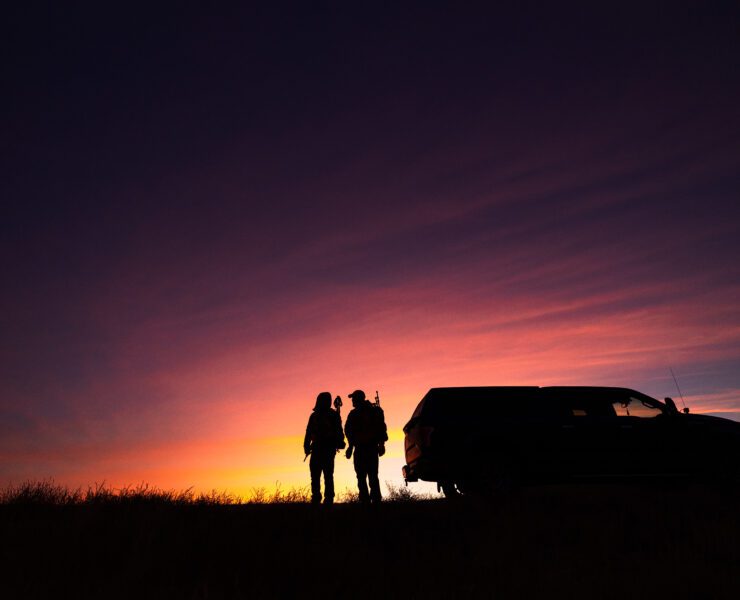
For generations, mule deer hunting has been about far more than filling a tag. The stories, the landscapes, the family bonds forged around a fire or on a frosty ridgeline are what keep our traditions alive. At the Mule Deer Foundation, many of our staff first learned the meaning of stewardship and respect for the animal in family hunting camps, and today they’re raising the next generation to carry it on.
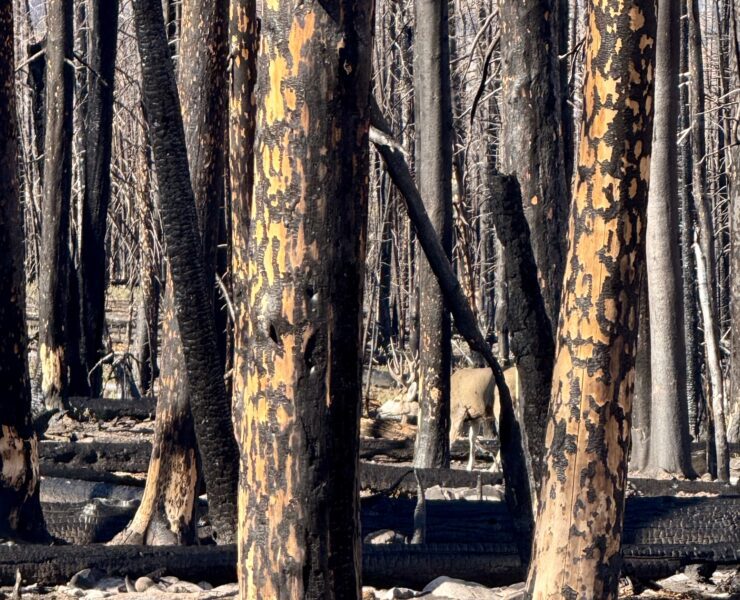
Whether you are hunting early or late season burn areas are a great place to notch your tag this season. Wildfire is one of the West’s most powerful forces. Fires are destructive, unpredictable, and often misunderstood. To the untrained eye, a burn scar looks like devastation. But to a mule deer, it can look like opportunity. In the years after a wildfire, the landscape transforms into a mosaic of nutrient-rich regrowth, young shrubs, and open feeding grounds, all prime habitat for mule deer recovery and herd growth.
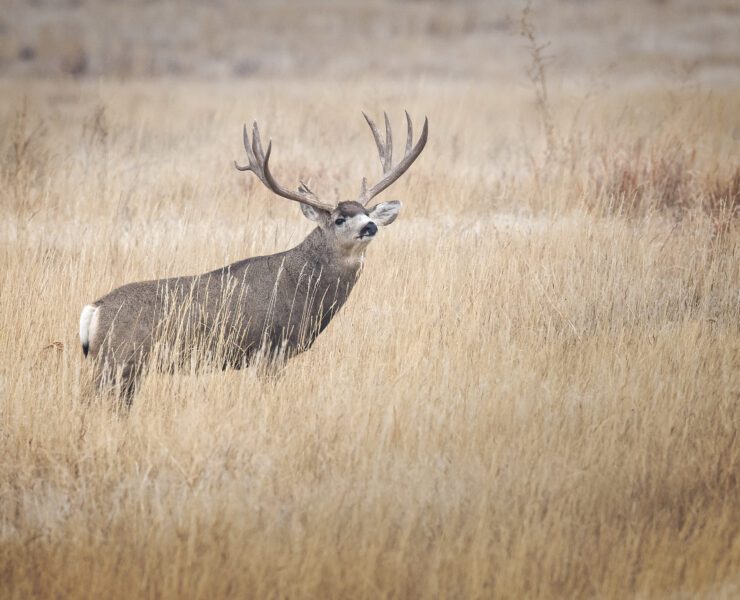
The first time I saw him, it was almost cruel. He stood on the far side of a canyon, antlers catching the last light of the evening. A mule deer buck so wide, so heavy, he seemed unreal. The only problem: he was in a different unit than the one I had a tag for. All I could do was glass across the line and dream.
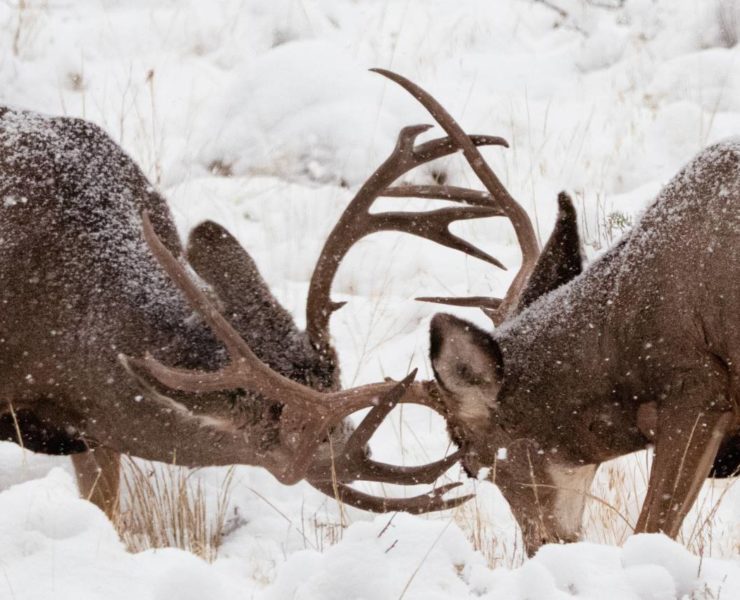
Even though the rut offers a window of opportunity, success still depends on preparation. Start by identifying traditional migration corridors and winter range. In Colorado’s high country or Wyoming’s Red Desert, focus on terrain funnels: saddles, benches, and draws that connect summer and winter habitats. In Utah and Montana, glass south-facing slopes and lower ridges where deer often pause on their way down.
The Mule Deer Foundation (MDF) is seeking a detail-driven Graphic Designer to help tell the story of conservation through compelling digital and print design. You will be responsible for creating assets that mobilize supporters, elevate campaigns, and bring habitat projects to life across ads, email, social, web, events, and print.

One thing I’ve learned from Eastern cooking is that tofu comes in myriad forms, and each one of those forms plays its own special role. Silken tofu is like a velvety poached egg white, while extra-firm tofu has a texture closer to a brick of cheddar cheese. Smoked tofu can add a special meatiness to dishes, while sweetened custardy tofu can be eaten for a dessert like a pudding. Soft tofu can be cut with a spoon, while dried tofu skins come out more like noodles. Tofu isn’t simply just tofu.
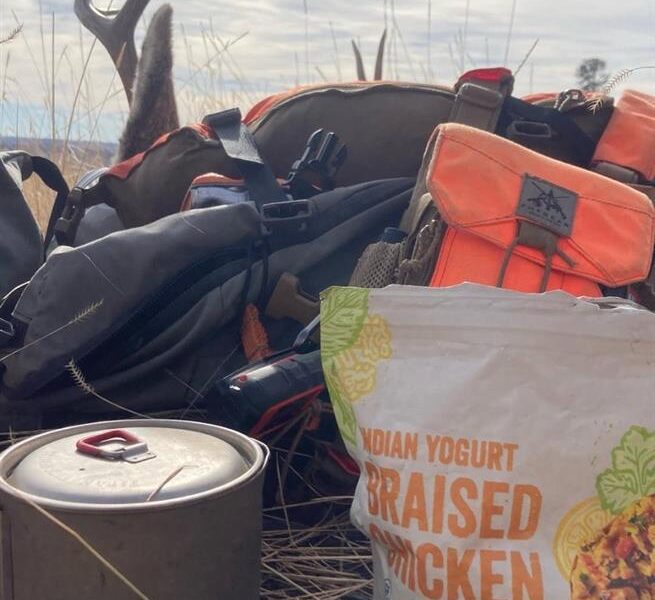
You’ve put in the miles, glassed countless ridges, and finally notched your tag on a backcountry mule deer. Now comes the real work: getting your deer out of the field and back to camp or the truck without wasting meat or injuring yourself. For many hunters, especially those in remote or rugged mule deer country, knowing how to properly quarter and pack out an animal is as critical a skill as shooting straight.
Here’s a step-by-step guide you can follow when the moment of truth arrives.

By Jenny Williams I recently had the chance to sit down and interview MDF’s India…
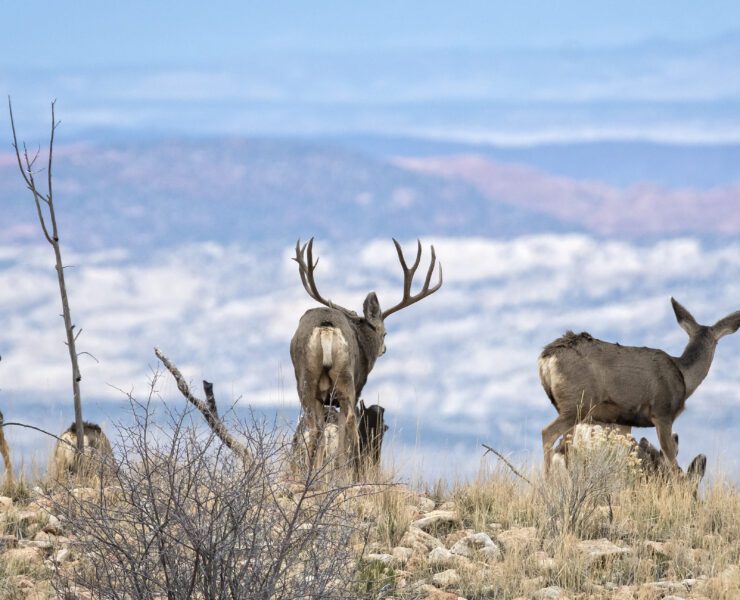
When hunting mule deer, understanding and interpreting the signs they leave behind is one of the most valuable skills you can develop. Tracks, beds, and rubs are clues that tell you not just where deer have been, but also their habits, travel patterns, and even what kind of deer you might encounter. Developing the ability to read sign effectively can turn an ordinary hunt into a successful one.

Wildfires are an inevitable part of the western landscape, shaping ecosystems and influencing wildlife behavior. For mule deer hunters, understanding how burn areas and regrowth stages affect deer movement and feeding patterns can make the difference between a successful hunt and a long, fruitless trek.
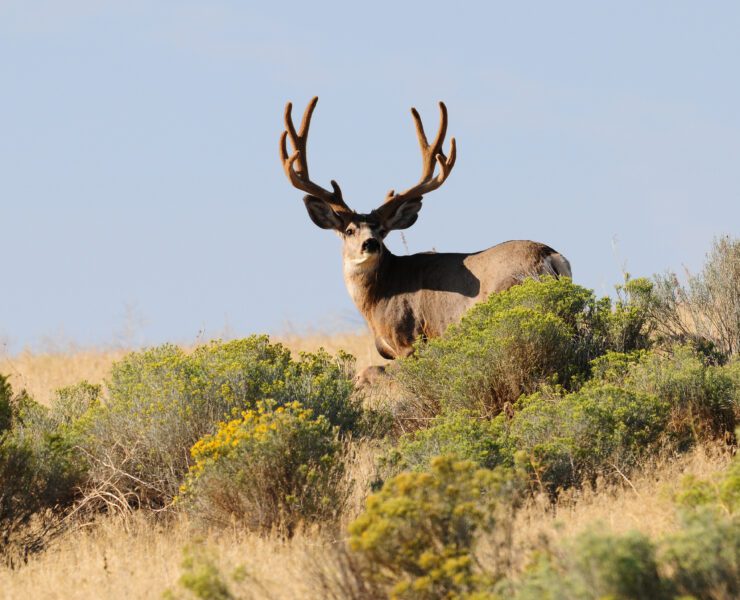
There’s something about standing on a ridgeline in the last light of day, glassing the folds of the country below, knowing that somewhere out there is a buck working his way down through age-old routes etched into the land by instinct and survival. The path he follows is most likely centuries old, passed down through the generations of mule deer. The route he is following is what is known as a migration corridor, and these corridors are more than just travel paths. They’re lifelines. And they’re disappearing at an alarming rate.

I am an avid outdoorsman and conservationist who grew up in the Black Hills of South Dakota. This region and our way of life instilled in me a deep appreciation and passion for wildlife and wild places. I consider myself fortunate to work, recreate, and raise a family along the boundary of the American West and the Great Plains. Whether I’m managing a habitat project, fighting fires with the local VFD, or pursuing big game, I’m driven by a desire to leave things better than I found them—ensuring that my daughter and future generations can enjoy the same opportunities and landscapes that I have.