

I am an avid outdoorsman and conservationist who grew up in the Black Hills of South Dakota. This region and our way of life instilled in me a deep appreciation and passion for wildlife and wild places. I consider myself fortunate to work, recreate, and raise a family along the boundary of the American West and the Great Plains. Whether I’m managing a habitat project, fighting fires with the local VFD, or pursuing big game, I’m driven by a desire to leave things better than I found them—ensuring that my daughter and future generations can enjoy the same opportunities and landscapes that I have.

Mark you calendars for February 14, 2026 for the TOUGH BUCK Hunt Giveaway Workout, where fitness meets backcountry grit at the Western Hunting & Conservation Expo in Salt Lake City.
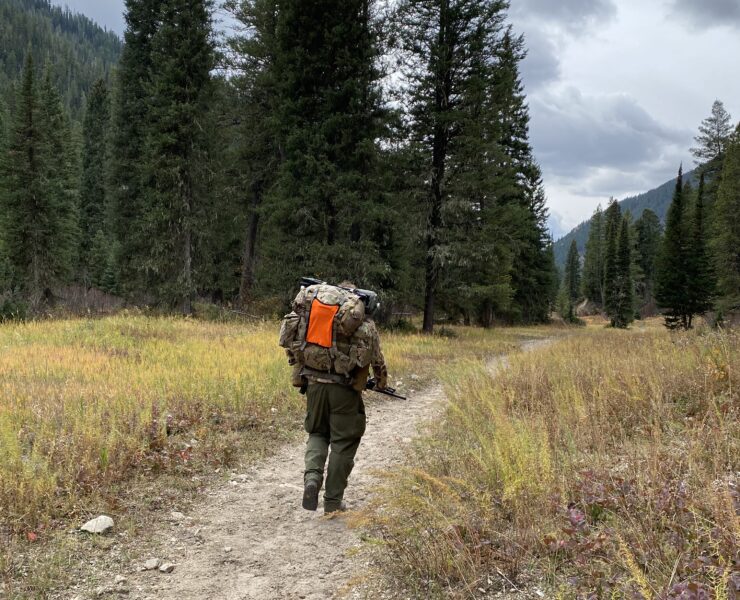
Hunting mule deer alone in the backcountry is one of the purest forms of wilderness experience. The silence of high alpine ridges, the thrill of spotting a buck in a hidden basin, and the challenge of navigating rugged terrain—all of it is magnified when you’re on your own. But solo hunting also demands a level of preparation and caution that can’t be overstated. Here are key lessons for staying safe, efficient, and ready for anything the mountain throws at you.
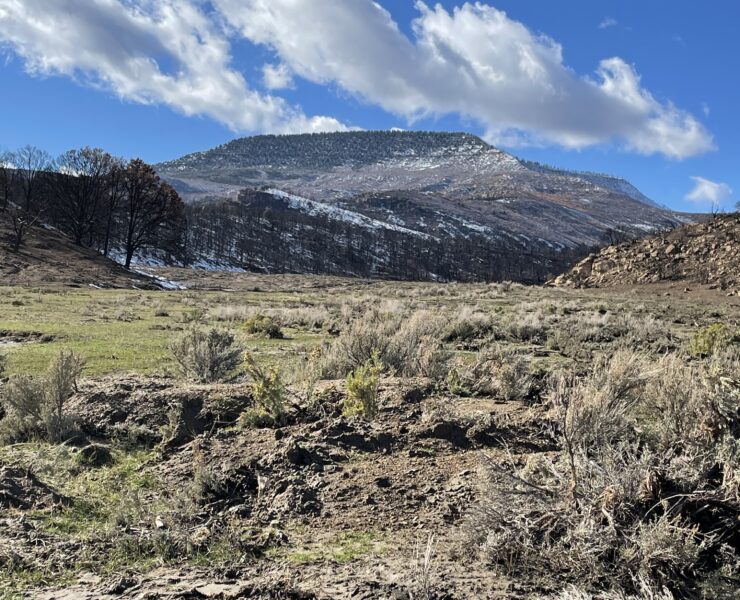
Few things in the West are as impressive as mule deer on the move. Each year, herds travel miles between summer and winter ranges, navigating rugged mountains, valleys, and human development along the way. These seasonal highways, known as migration corridors are critical to mule deer survival, and for hunters, they also present unique opportunities.
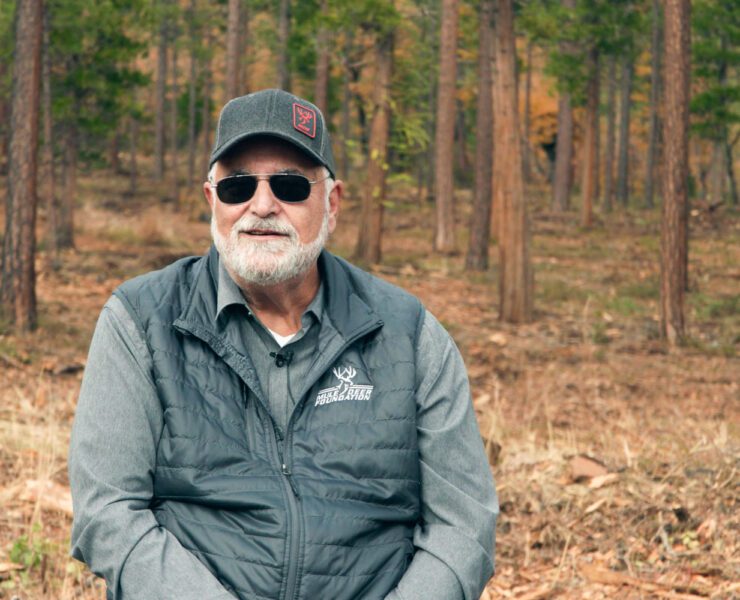
MDF’s Randy Morrison has a very personal and professional purpose as a California conservationist.
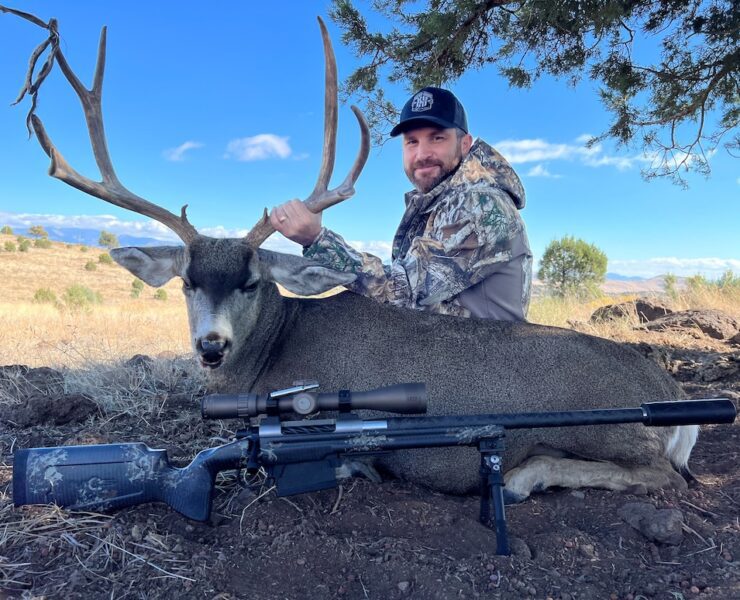
Federal Ammunition has recently launched a ground-breaking long-action hunting cartridge focused on 7mm/.284 heavy-for-caliber bullets, raising the bar for what a non-magnum, centerfire rifle hunting load can achieve. Three numbers quickly back the innovation behind it: 20, 170 and 3,000.

Every hunter hopes for a clean shot, but even the best shot placement doesn’t guarantee an immediate recovery. Tracking a wounded mule deer takes patience, skill, and respect for the animal. Doing it correctly not only increases your chances of success but also ensures a humane harvest.
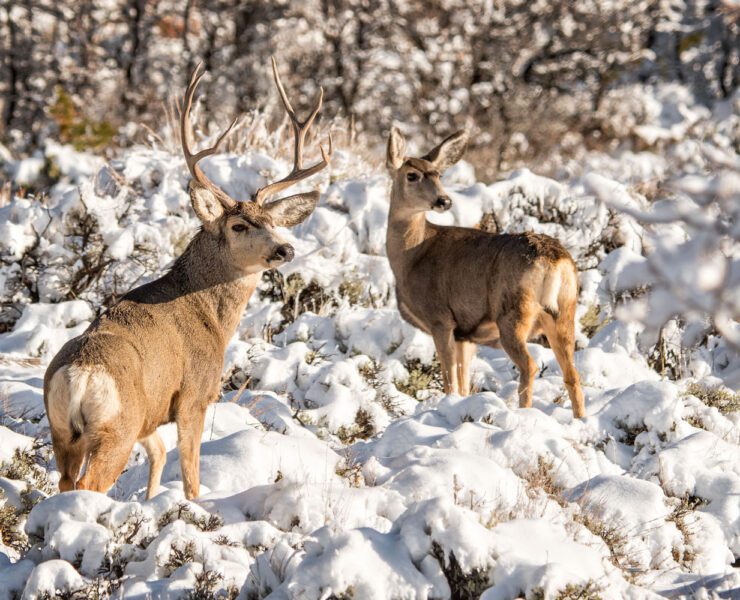
Ask any mule deer hunter and they’ll tell you: elevation matters. Between 5,000 and 10,000 feet, mule deer country shifts dramatically from sagebrush basins to aspen slopes to high-country meadows. Each band of elevation offers unique challenges and opportunities, and hunters who understand how deer use these habitats will have the best chance at success.
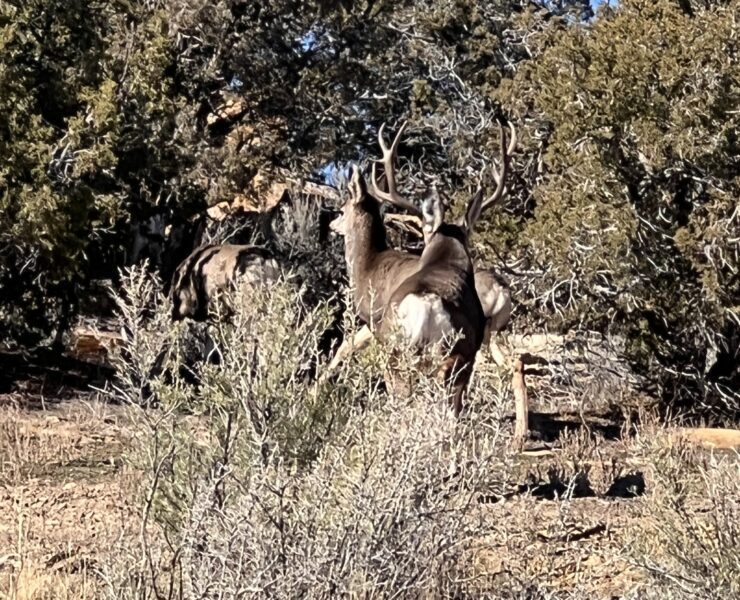
If you’ve never seen a line of mule deer moving across the skyline at dawn, nose to tail, mile after mile, you’re missing one of the last great natural wonders in North America. These migrations aren’t just impressive; they’re ancient. Some herds travel over 150 miles between their summer and winter ranges, crossing rugged mountains, ranch fences, and six-lane highways like they’ve been doing it for a thousand years, because they have.
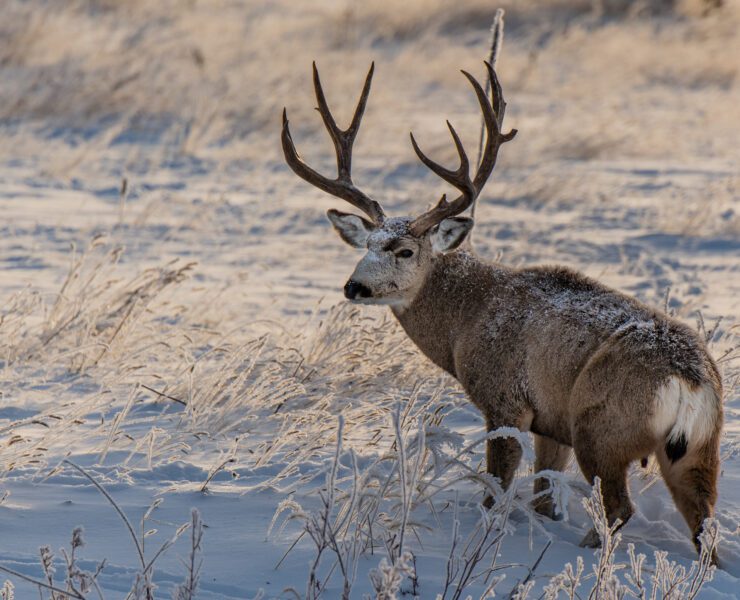
It’s been twenty years since that hunt, but I can still feel the burn in my legs, the thin air in my lungs, and the pounding of my heart as if it happened yesterday. I was twelve years old, hunting with my mom in the high country, and I was about to take my first mule deer buck.
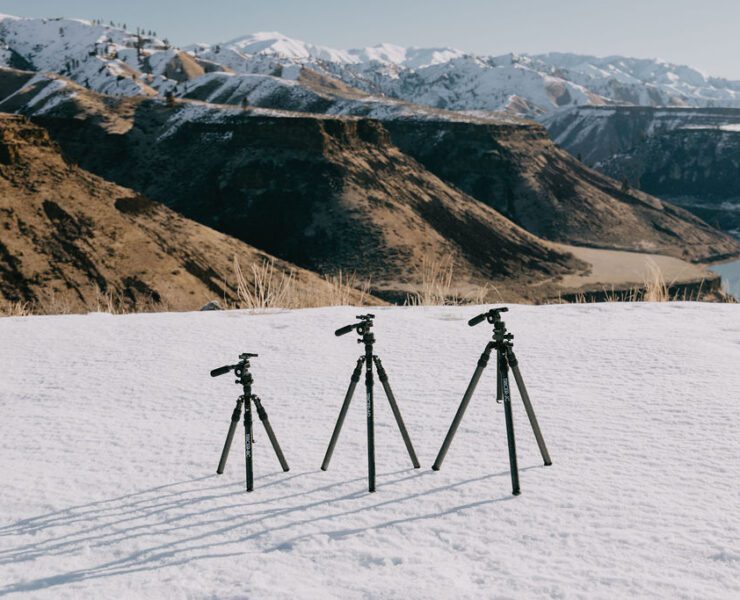
Success in the high country doesn’t happen by luck. Rifle season comes fast, and by the time the opener rolls around, hunters who have done the homework, the scouting, the glassing, and patterning mule deer bucks, are the ones most likely to punch their tag. The key is simple: treat pre-season scouting as seriously as the hunt itself.
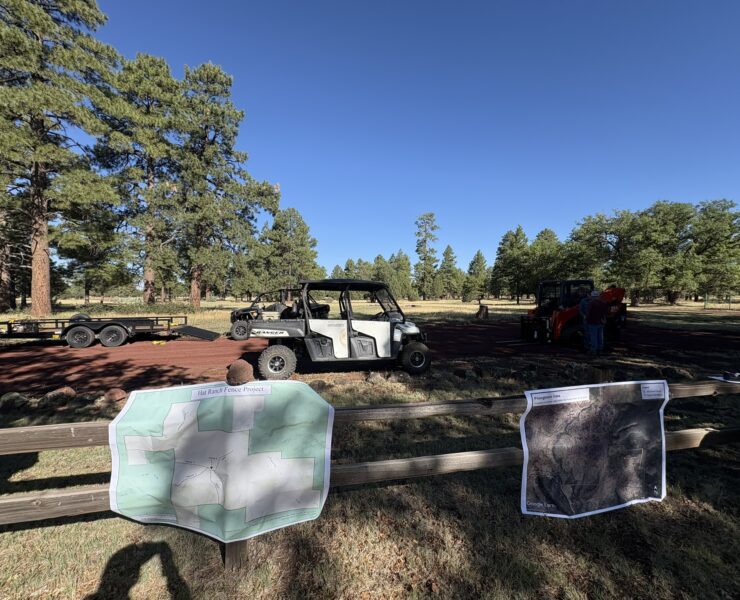
Local partners and volunteers contributed to a very successful fence removal project along a big game migration corridor in Arizona.