


Conservation Tags and What They Fund
By Gloria Goñi
Every hunter who purchases a license or tag plays a part in conserving mule deer. Conservation tags, and the revenue they generate, are the lifeblood of state wildlife agencies and the foundation of mule deer management across the West.
Grace Bullington, MDF’s Idaho Big Game Migration and Connectivity Coordinator, did a great job explaining exactly how conservation tag funds are used and why they matter.
Your Tag Dollars at Work
From habitat projects to population monitoring, the funds generated through hunting licenses and conservation tags are critical to nearly every aspect of wildlife management.
“Every dollar spent on hunting licenses and tags goes to wildlife management,” Bullington explained. “For mule deer, that means population monitoring, habitat improvement, land conservation, research studies, and support for state wildlife personnel.”
In short: no tags, equals no funding. And without that foundation, the ability to manage and protect mule deer populations would be severely limited.
“State wildlife agencies wouldn’t have the resources to complete the most basic requirements for proper species management,” she said. “Specifically, population studies that inform all conservation decisions.”
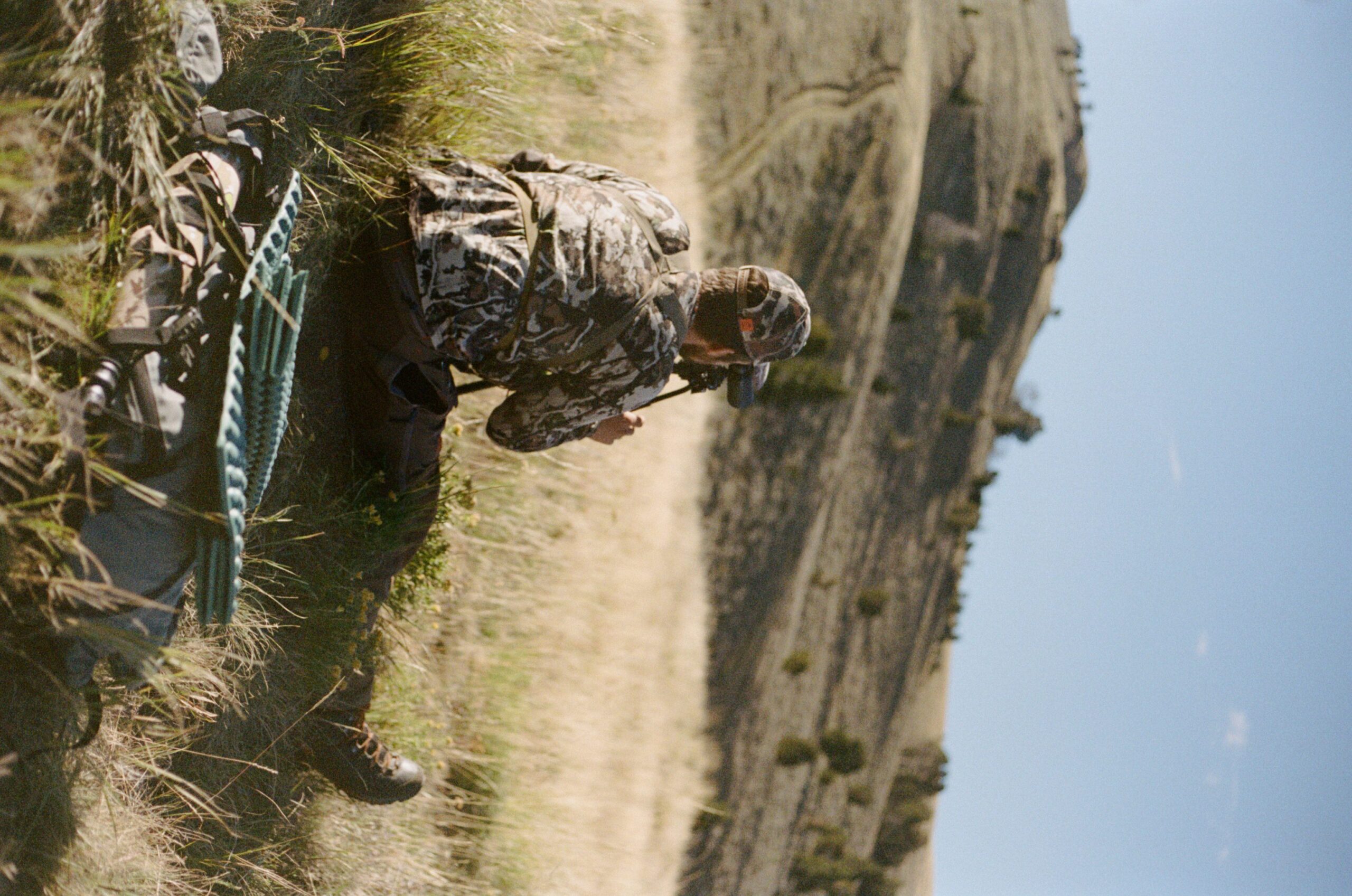
Real Impact on the Ground
Idaho’s Mule Deer Initiative (MDI) is a prime example. This program is partially funded through license and tag sales and has three main goals:
1. Increase mule deer numbers
2. Improve hunter satisfaction
3. Protect and enhance mule deer habitat
Of those, Bullington says goal three—habitat—is the cornerstone.
“Mule deer habitat is the foundation to increasing populations and improving hunting”
Through MDI and support from MDF, this funding helps restore winter range by planting sagebrush and improve summer range through aspen regeneration in national forests. These kinds of long-term investments wouldn’t be possible without a reliable source of funding like conservation tags.
Why You Should Support Conservation Tags—Even If You Don’t Win
Whether you’re a seasoned hunter or just applying for your first permit, there’s real value in supporting conservation tags, even if you never end up drawing one.
“Under our North American Model of Conservation, wildlife is considered a public resource”
said Bullington
“That means we all have a responsibility to support wildlife management to ensure there are populations for future generations.”
One of the simplest ways to do that? Buy a license or tag.
Join the Mule Deer Foundation!
Send any success pictures or stories from the field to Ask@muledeer.org. If this article or any of our articles have helped you become a better hunter or conservation steward, consider becoming a member of the Mule Deer Foundation or the Blacktail Deer Foundation or both. Click here to join: https://muledeer.org/product-category/membership/ or https://www.blacktaildeer.org/
Gloria Goni
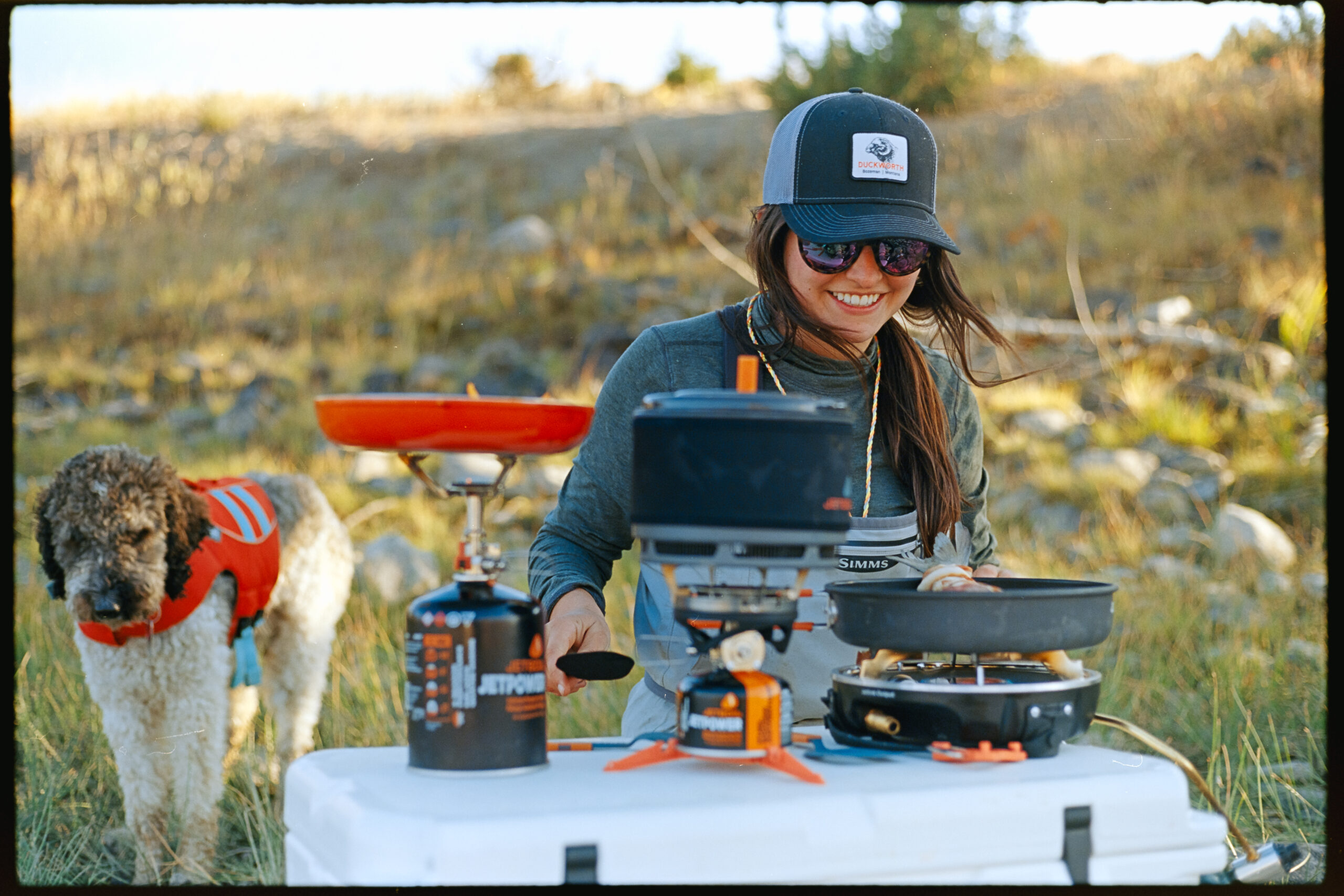
Gloria Goñi – @lapescadora
Growing up in a Spanish family where food was everything, shaped Gloria’s love for cooking and shared meals. She takes great pride in sourcing her ingredients through hunting, fishing, and foraging, drawing inspiration from her Basque and Spanish roots. Gloria splits her time between Missoula, Montana, and the Pyrenees of Spain. She is often exploring wild landscapes and cooking over an open fire for friends and family whenever possible.


