


The Caylor Project: Protecting Wildlife Habitat and Denver’s Drinking Water
By: Nicole Reed-Fickel and Shelby Pollard
May 18, 2026
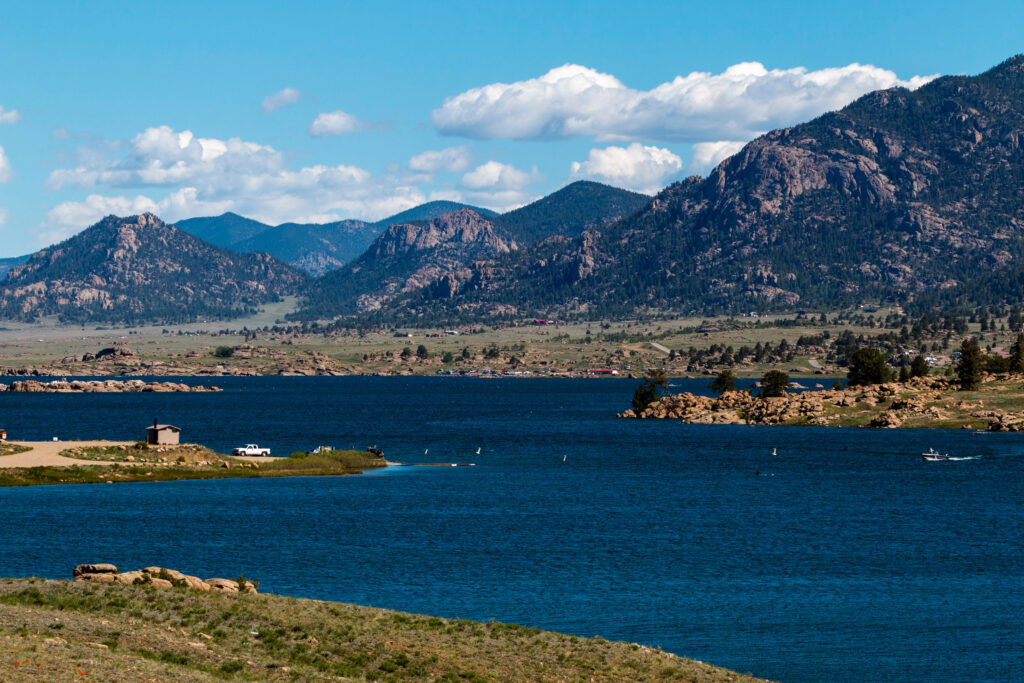
Eleven Mile Reservoir, a 3,405-surface-acre water body located along Colorado’s Front Range within the Pike–San Isabel National Forest, supplies a significant portion of the drinking water for the City of Denver. Along its northeastern edge lies a 571-acre stretch of undeveloped forest that provides important habitat for mule deer and other wildlife. While landscapes like this highlight the beauty of the mountain West, they also face a growing challenge: the risk of catastrophic wildfire.
If a wildfire were to burn through this area, it could threaten nearby communities while also impacting the reservoir’s water quality. Sediment and post-fire runoff could degrade this drinking water source, impacting downstream communities that depend on its clean, reliable supply.
These concerns paved the way for a partnership between the U.S. Department of Agriculture, Forest Service (USFS) and The Mule Deer Foundation (MDF) to mitigate threats from wildfire, protect the clean water source, and manage the landscape to promote critical habitat for mule deer. This project, formally known as the Caylor Project is expected to be completed in May 2026.
Reducing Fuels, Improving Forest Health
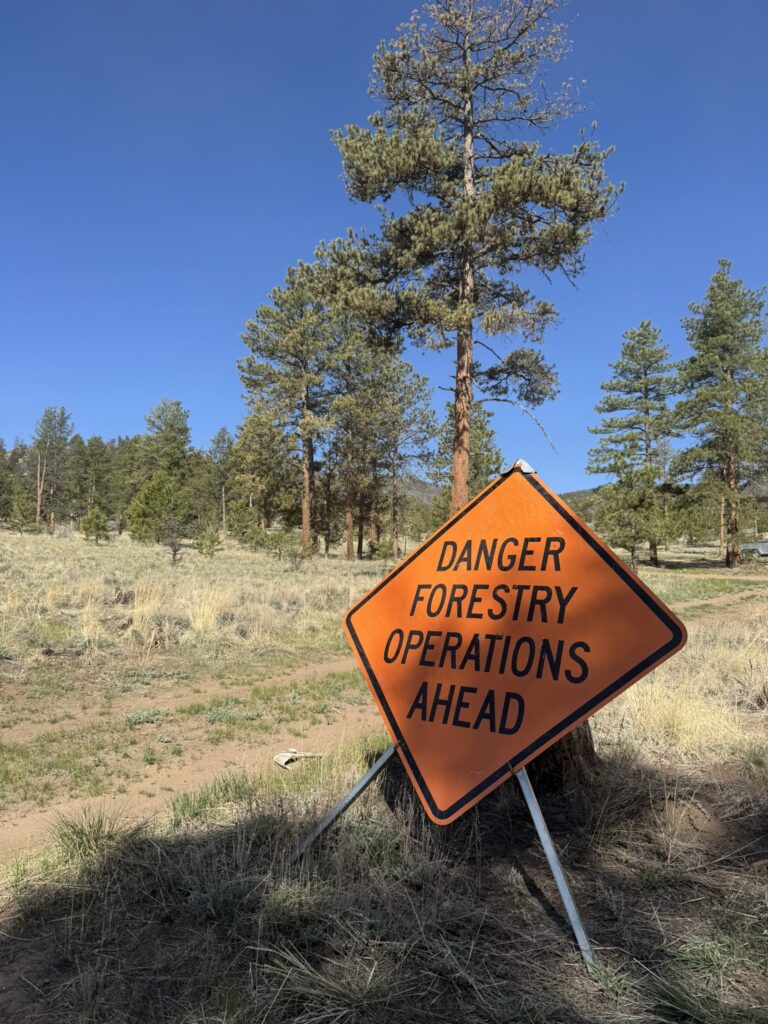
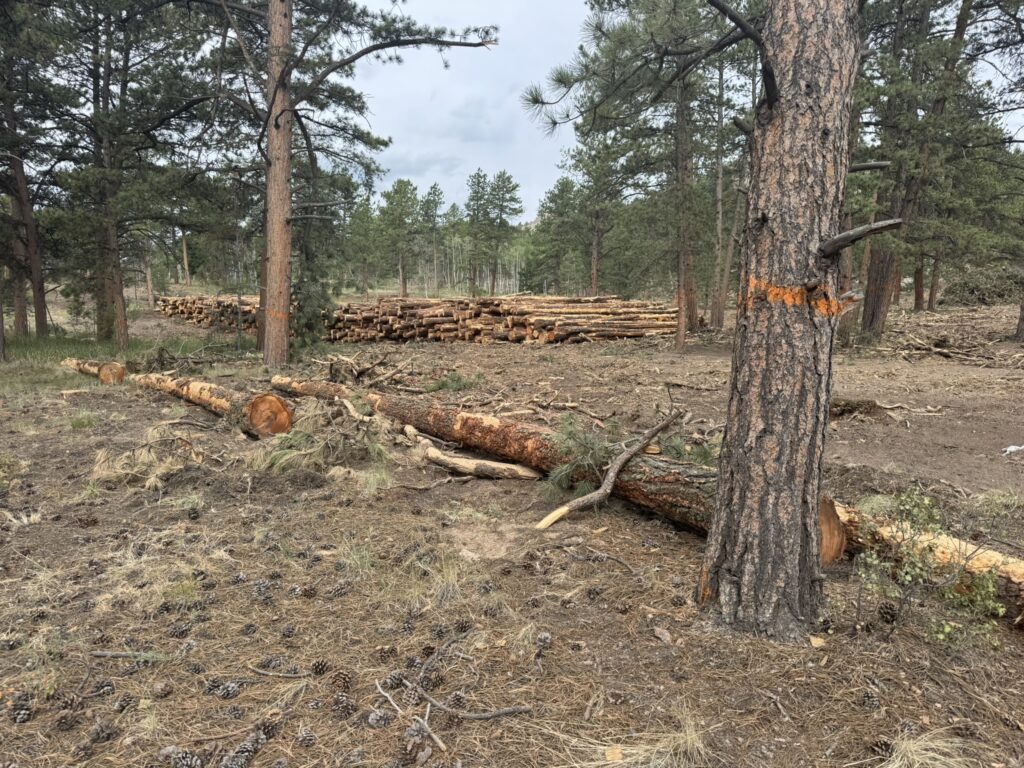
The Caylor Project focuses on reducing hazardous fuels and restoring forest health near the reservoir. Beginning in 2025, crews have mechanically thinned dense stands of trees and removed beetle-killed or diseased timber that can increase wildfire risk and intensity.
Larger trees are decked and available for other uses such as community firewood, while smaller material is treated through the process of mastication that essentially mulches trees and woody material so they have a smaller risk of adding fuel for wildfires. Healthy trees remain on the landscape, maintaining shade and cover for wildlife while creating a more resilient forest structure. By reducing canopy density and breaking up continuous fuels, the treated forest will be far less susceptible to high-intensity wildfire.
Benefits for Wildlife
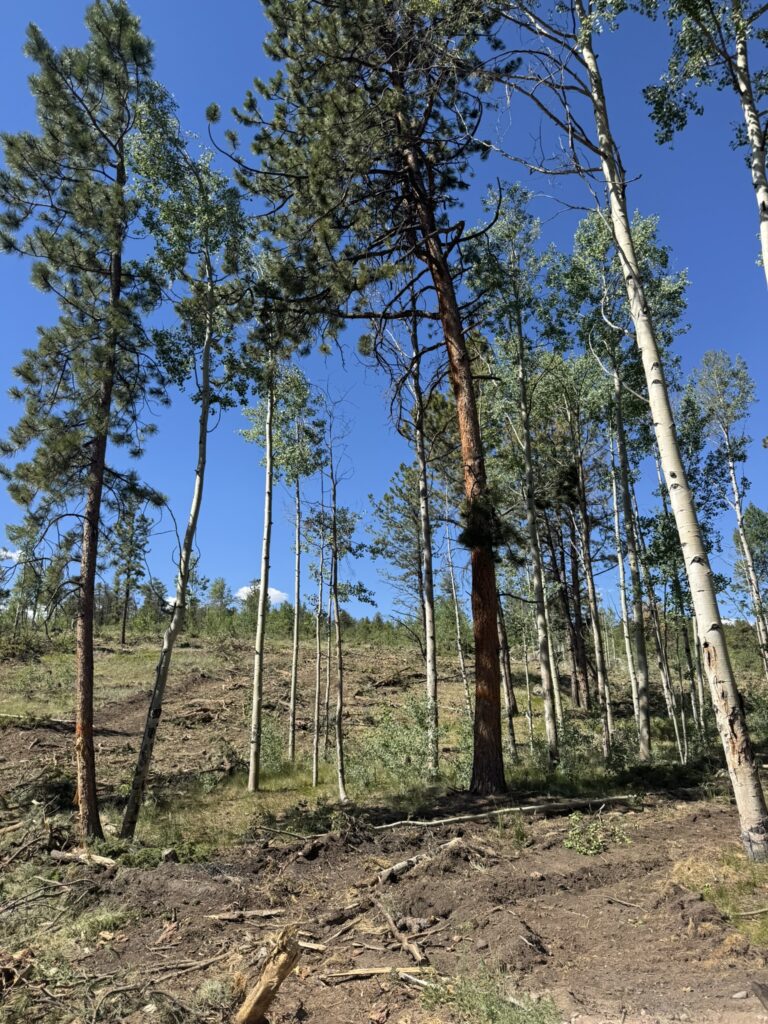
While reducing wildfire risk is a major goal, the project is also designed to improve habitat conditions for mule deer and other wildlife. Coming out of a very dry winter this year, water retention and water quality are paramount for ensuring there’s enough forage on the landscape. Dry winters make migrations easier but resources scarcer. By thinning the overstory at Caylor and reducing fuels on the forest floor, more sunlight and moisture can reach the ground which helps native plants to germinate and forage to respond quicker. It also supports the regeneration of aspen stands, an important component of Colorado’s mountain ecosystems that often struggle to reestablish in overly dense conifer forests. As this vegetation returns, the landscape becomes more diverse and productive, creating better habitat conditions for mule deer, elk, and many other species that depend on healthy forests.
Building Resilience Against Insects and Disease
The treatments also help address ongoing insect and disease pressures. The Eleven Mile Reservoir area has experienced impacts from mountain pine beetle and western spruce budworm, native insects that can severely damage forests when stands become overly dense. Strategic thinning helps improve tree vigor, increase species diversity, and reduce the conditions that allow insect outbreaks to spread rapidly.
Protecting Water Through Habitat Management
At first glance, wildlife habitat enhancement and drinking water protection might seem like separate goals, but the Caylor Project demonstrates how closely connected these can be.
Healthier forests are more resilient to wildfire and disturbance. By reducing fuels near Eleven Mile Reservoir, the project helps limit the potential for severe wildfire that could send sediment and debris into the reservoir. This proactive management helps protect water quality while maintaining the integrity of the surrounding ecosystem.
A light winter has many concerned about what the coming summer and fall may bring across the West. Snowpack has been limited in much of the region, including Colorado. According to this year’s U.S. Drought Monitor Map, much of the western United States is experiencing moderate to exceptional drought, with conditions in the Caylor area largely severe or worse. In years like this, the importance of projects such as the Caylor Project becomes even more apparent. Proactively managing forests with water in mind helps protect both the quality and availability of this critical resource.
By improving forest health and reducing overly dense vegetation, these treatments allow the landscape to better capture, store, and gradually release water into nearby streams, wetlands, and reservoirs. This supports wildlife that rely on these habitats year-round and benefits downstream communities that depend on these waters for drinking supplies.
A Collaborative Conservation Effort
The Caylor Project highlights the power of partnerships in conservation. By working together, MDF and the Forest Service are improving habitat for wildlife, strengthening forest resilience, and protecting an important water source for Colorado’s Front Range communities.
What benefits mule deer and other wildlife in this landscape also helps safeguard the drinking water relied upon by the City of Denver. Thoughtful habitat management can deliver benefits far beyond the forest itself.
Top photo: Eleven Mile Reservoir. Photo credit: stock.adobe.com


