


Top Public Land States for 2026 DIY Mule Deer Hunts
By: Cody Fongemie
There’s something timeless about a do-it-yourself mule deer hunt. It’s you, a map (or OnX), a tag in your pocket, and a wide sweep of Western horizon that seems to promise both possibility and humility in equal measure. No outfitter, no extraneous comforts, just boot leather, glass, and personal durability. For most of us staffers here, Public land is the only way we get to chase these deer and we take pride in our ability to try somewhere new and find a way to a notched tag. What follows is our line of logic and reasoning behind where we plan to hunt this year culminating in a list of five of the best options for public land, DIY opportunity, and accessible adventure
1. Wyoming
Wyoming is often regarded as the quintessential state for mule deer hunting. The state’s rugged landscapes, including the Greater Yellowstone Area and western section of the Black Hills, provide abundant habitat for mule deer. Wyoming’s public lands are primarily managed by the BLM and the U.S. Forest Service, which is excellent because the mule deer foundation has an amazing relationship with both of those organizations so when we call the local office and introduce ourselves while looking for advice the staff are usually very friendly. (Just another perk of being an MDF member)
The state’s diverse terrain, ranging from mountains to plains, gives hunters a variety of hunting environments. Wyoming also features numerous hunting units with manageable draw odds and reasonable deer population. It’s relatively low hunter density compared to other states makes for a more solitary experience, which could also help improve your odds of success. Additionally, Wyoming’s regulations are fairly straightforward to read and understand, making it easier for you to plan your hunt.
If you’re looking for classic Western mule deer country with room to roam, Wyoming is hard to beat.
2. Colorado
Colorado holds one of the largest mule deer populations in the West, spread across vast expanses of national forest, BLM ground, and state-managed lands. The state’s habitat ranges from alpine basins to rolling piñon-juniper hills and open prairie.
While the draw system for some limited units can be competitive, Colorado still offers over-the-counter opportunities in select areas, making it an attractive option for DIY hunters willing to research and scout. Public access is generous, and with solid preseason planning, hunters can find quality deer away from the crowds.
For those willing to trade effort for opportunity, Colorado remains a cornerstone of Western mule deer hunting.
3. Utah
Utah is renowned for its quality mule deer hunting, especially on public lands. The state has a ton of national forests and BLM lands that provide ample opportunities for DIY hunters. Utah’s vast wilderness areas, including the Book Cliffs and the Wasatch-Cache National Forest, are prime habitats for mule deer.
What makes Utah particularly attractive is the leftover tag purchase program starting in July. While the majority of Utah tags are run under a limited draw system, those tags that are left over are available on a “first come first serve” basis. The state also offers diverse terrain, from desert canyons to mountain forests, catering to a variety of hunting styles. Good scouting will be key to success, but Utah’s public lands are generally accessible and productive thanks in part of course to the tireless work if the mule deer foundation volunteers and staff completing over 30 habitat projects annually in Utah.
4. Montana
Montana offers some of the most pristine mule deer hunting in the northern Rockies. The state’s vast public lands, including national forests and BLM areas, support healthy mule deer populations. While parts of Montana can feel crowded especially on opening morning the state boasts some incredible opportunities for those willing to burn some boot leather and get back into the wild parts of the world.
Montana’s regulations are straightforward, and many units offer an “over-the-counter” (Non-residents still need to draw a general deer tag) licenses, so you don’t have to navigate the draw systems. The terrain varies from rugged mountains to grasslands, providing diverse hunting environments. Montana’s expansive public lands ensure that you can find remote, less pressured areas to pursue mule deer.
5. Nevada
Nevada is a hidden gem for DIY mule deer hunting.
Known for its high desert landscapes and rugged mountain ranges, the state offers abundant public land access primarily through the Bureau of Land Management. While Nevada’s mule deer populations are not what they once were, particularly in the eastern and northern parts of the state due to invasive grasses and habitat loss all is not lost yet.
While all units require a draw for tags, the states “FCFS” program for tags that have been returned by the hunter who drew the tag allows for those of us who didn’t draw to get a second chance at a hunt this fall. This opportunities open in July.
The state’s open terrain and expansive landscapes offer excellent spot-and-stalk hunting opportunities. Nevada’s remote and rugged environment appeals to experienced DIY hunters seeking solitude and adventure.
Time to Start Planning
Each of these states offers outstanding DIY potential thanks to strong public land access, diverse terrain, and opportunity across multiple units. One of the advantages of hunting in states dominated by BLM and U.S. Forest Service ground is the ability to camp near your hunting area, saving money and fully immersing yourself in the experience.
Whether you’re drawn to Colorado’s alpine basins, Wyoming’s sagebrush seas, Montana’s breaks, Utah’s canyon country, or Nevada’s desert ranges, the opportunity is there for those willing to put in the work.
But as we look toward 2026 and our theme—“Vanishing Icon of the West”—it’s important to remember that opportunity is not guaranteed. Mule deer have long symbolized the wild, open landscapes of the American West. Yet habitat fragmentation, drought, migration corridor loss, and increasing human pressure continue to challenge herds across their range. The DIY public land hunt we cherish depends entirely on healthy habitat and strong conservation policy.
If we want future generations to experience the same wide-open horizons and the thrill of spotting a buck at first light, we must stay engaged. Support science-based management. Advocate for habitat connectivity. Invest in conservation.
Join the Mule Deer Foundation!
If this article or any of our articles have helped you become a better hunter or conservation steward, consider becoming a member of the Mule Deer Foundation or the Blacktail Deer Foundation or both. Click here to join: https://muledeer.org/product-category/membership/ or https://www.blacktaildeer.org/
Cody Fongemie @Fongeinthefield
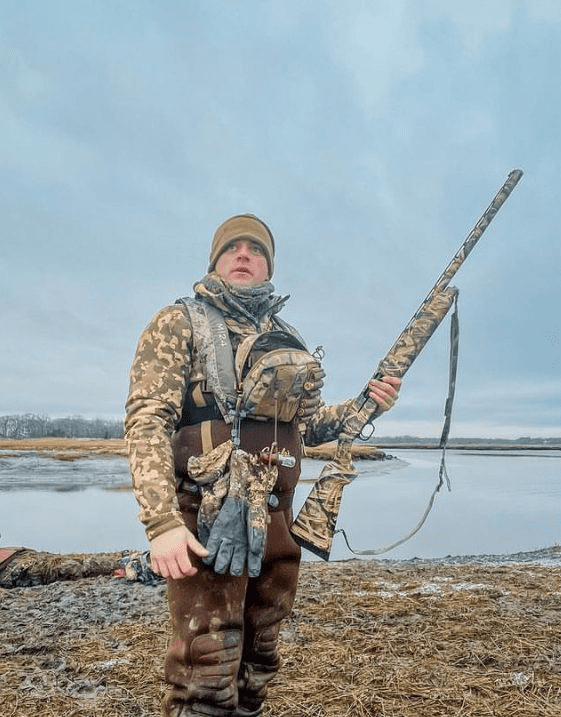
Born and raised in New England, Cody developed a deep appreciation for American history and adventure from a young age. His love for the outdoors led him to become both an avid outdoorsman and a dedicated writer on related topics. After studying in South Carolina, he enlisted in the Air Force, where he is currently serving. Outside of his military duties, Cody enjoys hunting, fly fishing, and sharing his experiences through his writing. He also works to connect the military community with the outdoors through non-profit initiatives.


