


On Location: The Crossroads Project Part 3
The Mule Deer, Wildfire, and Community Connection
By: Nicole Reed-Fickel
The U.S. Department of Agriculture (USDA), Forest Service engages trusted and reliable partners to confront the numerous management challenges on our national forests in general and wildfire mitigation in particular. One of those key partners is the Mule Deer Foundation. You may be wondering, “what do mule deer have to do with wildfires?” Turns out, quite a bit.
What’s Good for Deer is Good for Us
Healthy deer populations depend on healthy forests and good deer habitat is complex. It requires a blend of factors like food, water, temperature, refuge, safety, and cover. More than anything, deer need forests where sunlight reaches the ground. Sunlight fuels the growth of grasses, forbs, and shrubs that provide food and cover for deer and their young. Yet across the Western U.S., many forests have become overcrowded. Dense saplings and bushes jostle for space, block sunlight, and add fuel to the landscape that can drive large wildfires.
These challenges aren’t just bad for deer. Wildfires are burning hotter, faster, and more frequently, threatening rural communities across the West. California’s recent wildfires demonstrate how quickly flames can devastate homes, disrupt local economies, and send smoke across multiple states. But we have solutions: restoring our national forests to healthier, more natural conditions support deer populations and increase resiliency to future fires on the landscape. It turns out, what’s good for deer is also good for us.
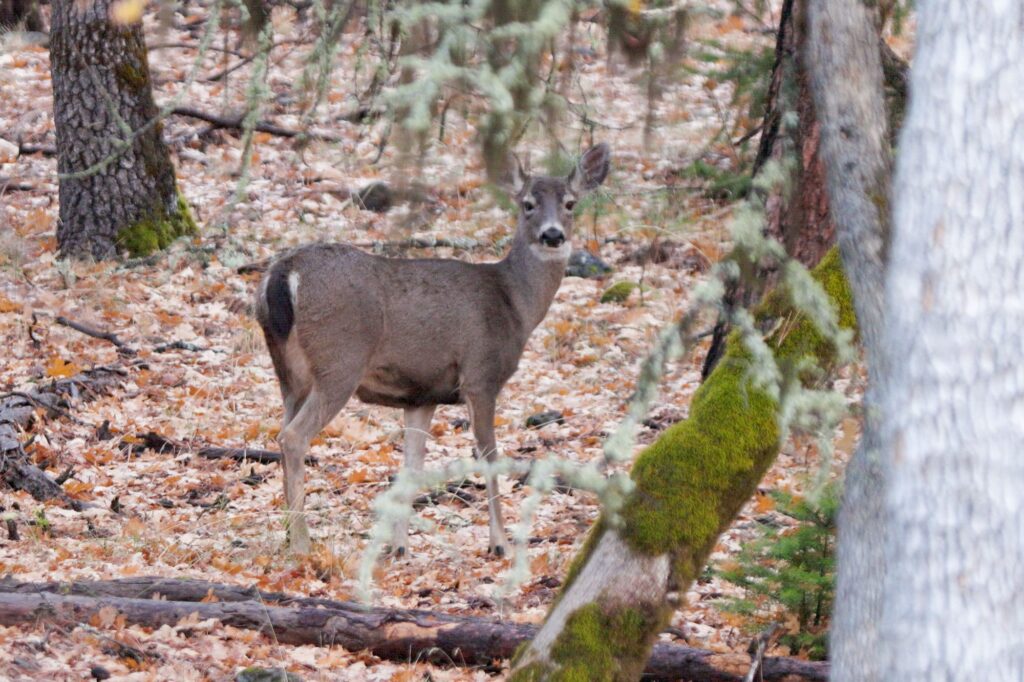
Helping Deer in Decline
The Mule Deer Foundation (MDF) is working with the USDA Forest Service to bring back the open, sunlit forests mule deer need. One key effort is the Crossroads Project in northern California’s Lassen National Forest, an area named for the nearby intersection of Highways 299 and 89. To the west of the 2,400-acre project area lies the small community of Burney; and to the north, Burney Falls State Park draws thousands of visitors each year to its iconic waterfall.
This landscape is dominated by ponderosa pine, Douglas fir, and oak trees, with bitterbrush and whitethorn scattered across volcanic soils, all of which have supported mule deer herds. But over the past three decades, local deer numbers have steadily declined. Randy Morrison, MDF’s Director of Conservation Operations, knows the area well and calls it “one of my favorite places on the planet.”
Morrison attributes much of the decline to wildfire and decades of fire suppression. Historically, low-intensity fires frequently cleared underbrush, recycling nutrients and promoting new plant growth. But after generations of fire suppression, these forests now burn less often but much more severely. The resulting high-intensity blazes destroy everything in their path rather than rejuvenating the ecosystem.
“These huge wildfires we’ve had, they absolutely denude everything,” Morrison said. “There’s nothing left, and you have to start from scratch.”
A Partnership at Work
On federal lands like Lassen National Forest, MDF and the USDA Forest Service jointly plan and execute restoration projects, including environmental reviews for water quality and endangered species protection. In California alone, MDF has partnered with the Forest Service on seven projects to restore habitat, improve wildlife resilience, and safeguard nearby communities.
At the Crossroads Project, mastication (a process that grinds up small trees and brush) crews have been thinning densely packed trees while leaving larger, mature trees standing. Grinding much of the brush in the project area opens the forest floor and will allow mule deer herds to move more freely through the forest. Oak trees and patches of brush will be spared to provide cover for wildlife. This “variable density thinning” mimics the natural patchwork of historical forests.
Now that sunlight can reach the ground, a cascade of benefits is possible. Grasses, forbs, and shrubs will regenerate, producing more and better-quality forage. The younger shoots are more nutritious and easier for deer to reach. This improved habitat will also support other species, from birds to pollinators, creating a healthier, more balanced ecosystem. In five to seven years, crews plan to use prescribed fire to further maintain these conditions and reduce future fuel buildup.
Healthier Forests Provide Safer Communities and More Deer
Forest restoration projects do more than help mule deer thrive. They also make surrounding communities safer. Using a combination of treatments such as thinning and prescribed fire reduce the amount of fuel available for wildfires, and lower the risk of flames spreading rapidly into rural communities. Morrison has seen firsthand what wildfires can do. He lost a family cabin to flames. That personal experience fuels his passion for reducing fire risks and improving habitats. “I know what [fire] can do,” he said. “It did it to me.”
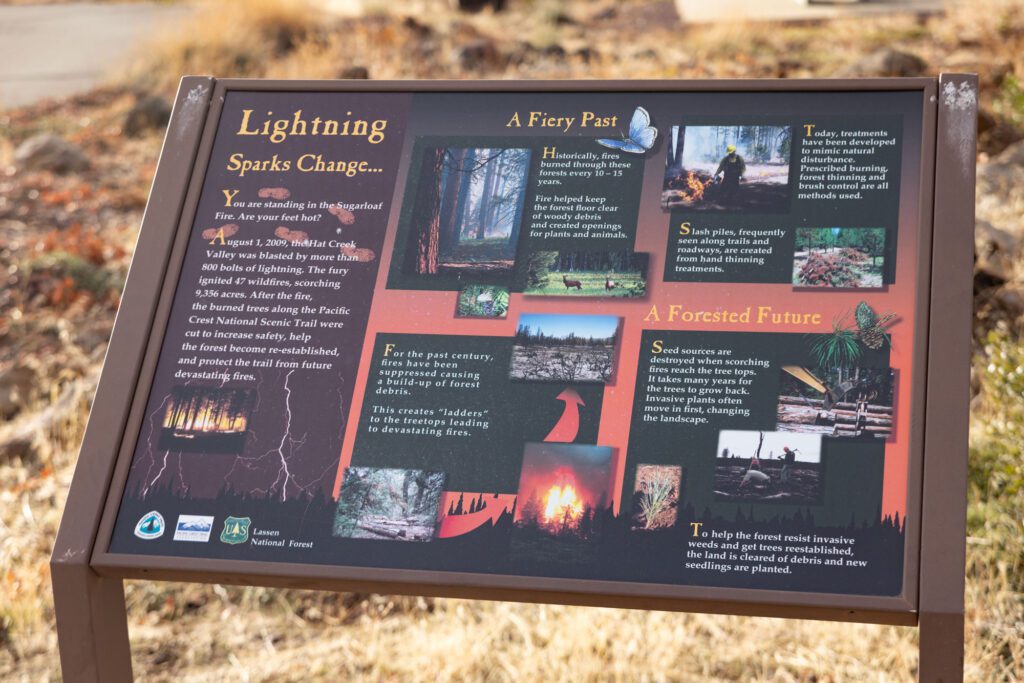
Projects like Crossroads show how forest restoration benefits everyone. Mule deer gain more nutritious forage and safer cover. Communities gain better fire protection, healthier air, and more resilient local economies. Visitors to public lands enjoy safer recreation and improved landscapes.
“We are not only protecting the wildland-urban interface, [the area where human development and natural vegetation meet], we are also reducing the catastrophic wildfire danger to Burney Falls State Park, which is a really significant landmark,” Morrison said. “That’s not the intent of the project … but it’s a really incredible byproduct.”
By next summer, Morrison expects deer to return to the newly thinned areas in force. “In all honesty,” he said, “they’ll probably never leave.”
As wildfires will remain a reality in the West, these efforts prove that careful restoration can turn overgrown habitats into resilient ecosystems that benefit wildlife and communities alike. By investing in proactive, science-based forest management, we’re not just ensuring healthier deer populations, we’re protecting homes, safeguarding treasured places, and creating landscapes that are prepared for the future.


